The Quest for Unrivaled Fluffiness: Beyond the Box Mix
For many, the mention of "yellow cake" conjures images of childhood birthday parties and comforting, nostalgic flavors. The challenge, however, has always been to replicate that signature lightness and moist crumb of a classic box mix, while elevating it with the depth and richness of homemade ingredients. The secret lies not in a single magical ingredient, but in a symphony of carefully chosen components and precise techniques that transform simple flour and eggs into ethereal layers.Embracing the Chiffon Principle: The Power of Egg Whites
One of the most profound revelations in achieving that coveted airy texture is the strategic use of whipped egg whites. Imagine a cake that's light, bouncy, and almost melts in your mouth – that's the chiffon-like quality we're aiming for.- Volume and Structure: When egg whites are whipped to stiff peaks, they incorporate a tremendous amount of air. This trapped air expands during baking, creating a magnificent lift and an open, delicate crumb.
- Gentle Integration is Key: After creaming your butter and sugar, gently folding these aerated egg whites into the batter is crucial. The goal is to distribute the air bubbles without deflating them. Think of it as carefully floating clouds into a sunset – a delicate, artistic process. Overmixing at this stage is the quickest way to a dense cake, so work quickly and with a light hand.
Moisture and Tenderness: A Harmonious Blend
Achieving a moist cake that stays fresh for days requires more than just adding liquid; it’s about balancing fats and acids.- The Dynamic Duo: Melted Butter & Vegetable Oil: While butter provides unparalleled flavor and richness, vegetable oil is a champion for moisture and tenderness. Many box mixes achieve their moistness through various oils. By combining melted butter for its delicious taste and vegetable oil for its consistent moisture distribution, you get the best of both worlds: a cake that is both flavorful and incredibly soft. Oil, being liquid at room temperature, contributes to a perpetually moist crumb, preventing the cake from drying out too quickly.
- The Tenderizing Touch of Buttermilk: Buttermilk isn't just for adding a subtle tang; its acidity plays a vital role in tenderizing the cake. It reacts with baking soda (if used) to produce carbon dioxide, contributing to lift, and helps break down gluten strands, resulting in a more tender crumb. Its slight acidity also adds a pleasant depth of flavor that complements the richness of the other ingredients.
- Sugar's Role: Beyond sweetness, sugar contributes significantly to tenderness by interfering with gluten development and retaining moisture. It also aids in achieving that beautiful golden-brown crust.
For more insights on perfecting your homemade yellow cake, explore our guide on Homemade Yellow Cake: Achieve Box Mix Fluffiness From Scratch.
Unlocking Deep Natural Yellow: A Color Story
The name "yellow cake" isn't just a descriptor of its hue; it's a promise. A truly spectacular yellow cake boasts a vibrant, natural golden color that makes it look as inviting as it tastes. The good news? You don't need artificial food coloring to achieve this visual feast. The secret lies in a simple, yet often overlooked, ingredient.The Brown Egg Yolk Revelation
This might sound surprising, but the type of eggs you use can dramatically impact the final color of your cake.- Pigment Powerhouse: Brown eggs, particularly those from pasture-raised hens, often have yolks that are significantly deeper in color compared to their white-shelled counterparts. This isn't just aesthetic; it's due to higher concentrations of carotenoids (natural pigments) in the yolks. When these rich, orange-yellow yolks are incorporated into your batter, they impart a genuine, deep yellow hue that no artificial dye can truly replicate.
- A Natural Glow: Opting for brown eggs allows you to achieve a beautiful, warm yellow that signals quality and care. It’s a subtle yet impactful detail that distinguishes a homemade masterpiece.
Baking for a Golden Hue
While ingredients set the stage, the baking process itself contributes to the cake's visual appeal. Proper baking ensures the cake develops a lovely golden-brown exterior while maintaining its sunny yellow interior. Over-baking can lead to a dry, pale crumb, so keep an eye on your oven and rely on doneness tests like a clean toothpick insertion.Crafting the Perfect Companion: Rich Chocolate Frosting
What’s a delightful yellow celebration cake chocolate frosting without its perfect partner? A truly exceptional yellow cake demands an equally magnificent frosting – one that is rich, creamy, fudgy, and perfectly balanced in sweetness. This isn't just any chocolate frosting; it's the kind that makes you want to lick the spoon (and the bowl!).The Fudgy, Creamy Dream: A Symphony of Flavors
The ideal chocolate frosting should be luscious, smooth, and have a deep chocolate flavor that complements, rather than overwhelms, the subtle vanilla notes of the yellow cake.- Melted Chocolate for Depth: While cocoa powder provides a good base, incorporating melted chocolate (good quality dark or semi-sweet) into your frosting elevates the flavor profile immensely. It adds a luxurious depth and richness that is hard to achieve with cocoa alone, resulting in a truly fudgy texture.
- The Classic Trio: Butter, Powdered Sugar, and Cocoa: These form the backbone of any great buttercream. Ensure your butter is at room temperature for optimal creaming, and always sift your powdered sugar and cocoa powder to prevent lumps and ensure a silky-smooth consistency.
- The Secret Weapon: Sour Cream (or Cream Cheese): This is where the magic happens. A touch of sour cream (or even cream cheese) dramatically cuts through the sweetness of the powdered sugar, adding a sophisticated tang and an incredibly creamy texture. It prevents the frosting from being cloyingly sweet, allowing the rich chocolate flavor to shine through beautifully. This ingredient transforms the frosting from merely sweet to wonderfully complex and irresistible, making it the perfect match for your yellow celebration cake chocolate frosting.
For an in-depth look at mastering this classic combination, read our article on Classic Yellow Celebration Cake: Light, Fluffy & Fudgy Chocolate Frosting.
Mastering the Art of Assembly & Decoration
With your perfectly fluffy, naturally golden yellow cake layers baked and cooled, and your rich, creamy chocolate frosting ready, the final step is to bring it all together into a stunning masterpiece. The way you assemble and decorate your yellow celebration cake chocolate frosting is just as important as the baking itself.Layering for Success: The Foundation of Beauty
- Cooling is Crucial: Patience is a virtue in baking. Ensure your cake layers are completely, utterly cool before you even think about frosting them. Warm cake will melt your beautiful frosting into a messy puddle, leading to frustration.
- Leveling the Playing Field: For a professional look, gently level any domed tops off your cake layers using a serrated knife. This creates flat surfaces that stack neatly, preventing a leaning tower of cake.
- The Crumb Coat: This is a thin layer of frosting applied to the entire cake, designed to trap any stray crumbs. Chill the cake briefly after the crumb coat to set it, creating a pristine canvas for your final, thicker layer of frosting. This ensures a clean, smooth finish, free of distracting crumbs.
Presentation for Every Occasion
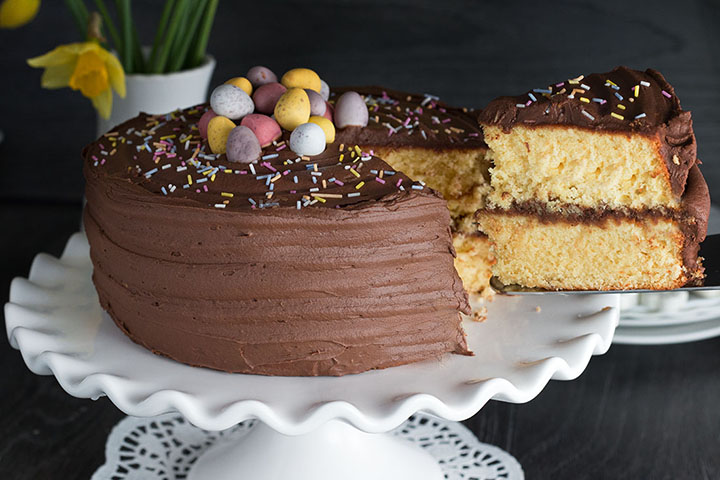
The versatility of a yellow celebration cake chocolate frosting makes it suitable for almost any festivity, with just a few decorative tweaks.- Easter Elegance: Adorn your cake with pastel mini eggs or chocolate bunnies for a delightful spring-themed treat.
- Birthday Bash: A shower of colorful sprinkles is a timeless and joyful way to celebrate a birthday. Choose sprinkles that match the party's theme for an extra personalized touch.
- Everyday Indulgence: Sometimes, the simplest decoration is the most elegant. A smooth, even layer of chocolate frosting, perhaps with a few chocolate curls or a dusting of cocoa, speaks volumes about quality and taste.
Remember, the cake is your canvas. Let your creativity flow and customize it to suit your specific celebration! For optimal freshness, a frosted cake can typically be stored at room temperature for a day or two, or in the refrigerator for up to five days, though bringing it to room temperature before serving will enhance its texture and flavor.
